
Science you can check.
Plain-language articles on how cells take in and hold water, the idea HydroSure is built on.
We cite the work, and say how far it goes.
Named sources
Every article ends with its references, each one linked so you can read the source yourself.
Where the evidence is strong
Cells use small molecules called osmolytes, such as taurine and betaine, to manage their own water. That is textbook cell physiology (Burg and Ferraris, 2008).
Where it is early
Whether a supplement measurably changes the water inside the cells of healthy people is still an open question. Each article says so where it applies. What is established is how cells use osmolytes to manage their water, which is the biology HydroSure is built on.
Six articles, in reading order.
Each takes about five minutes to read and ends with its references. Start with the first if cellular hydration is new to you.
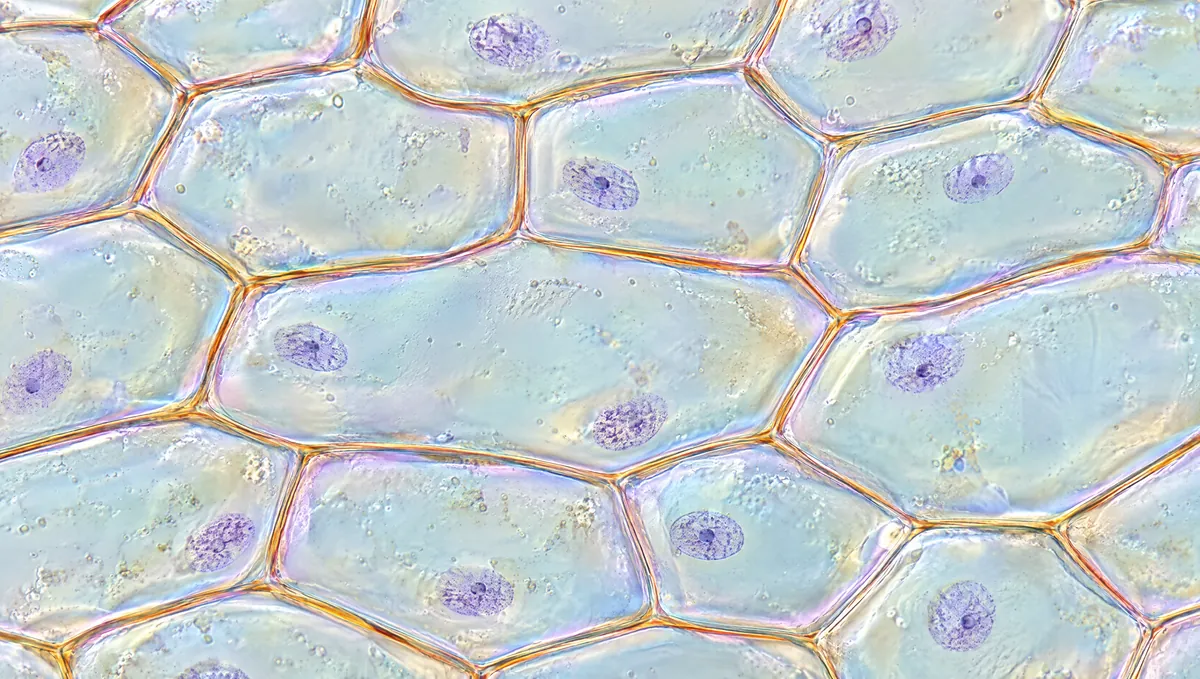
Cellular hydration, explained
Most of the water in your body sits inside your cells. Dissolved particles, including small molecules called osmolytes, determine where it goes.
5 min read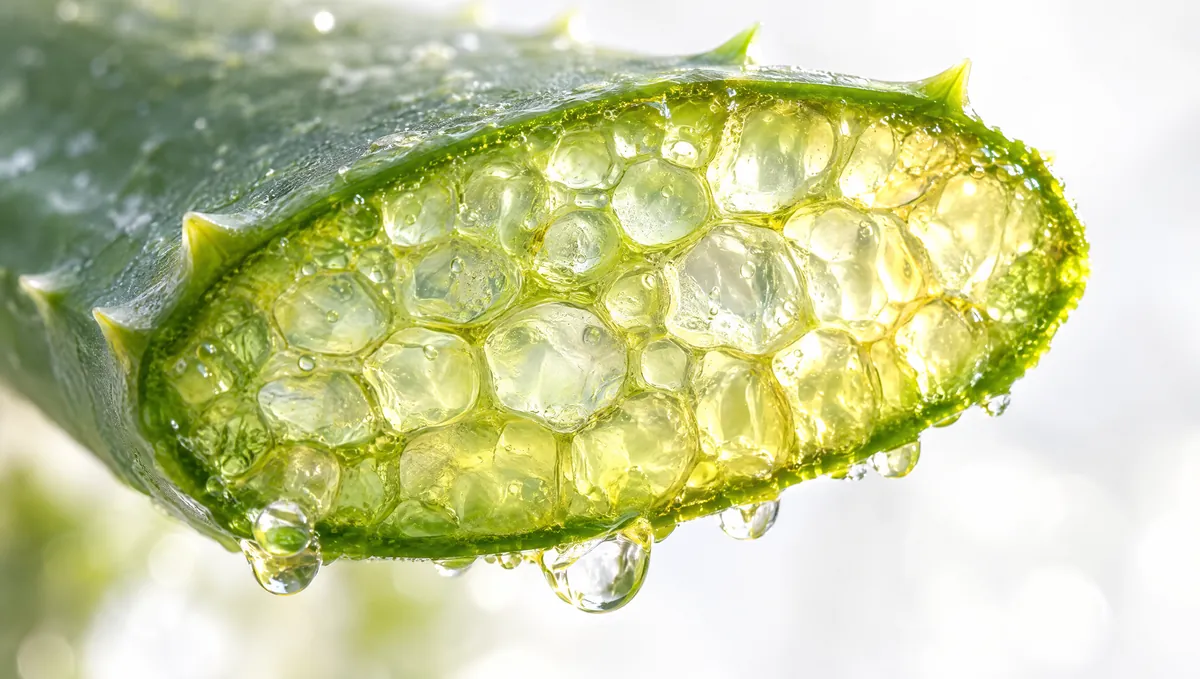
What osmolytes are and how cells use them
Cells manage their own water and volume with a family of small molecules called osmolytes.
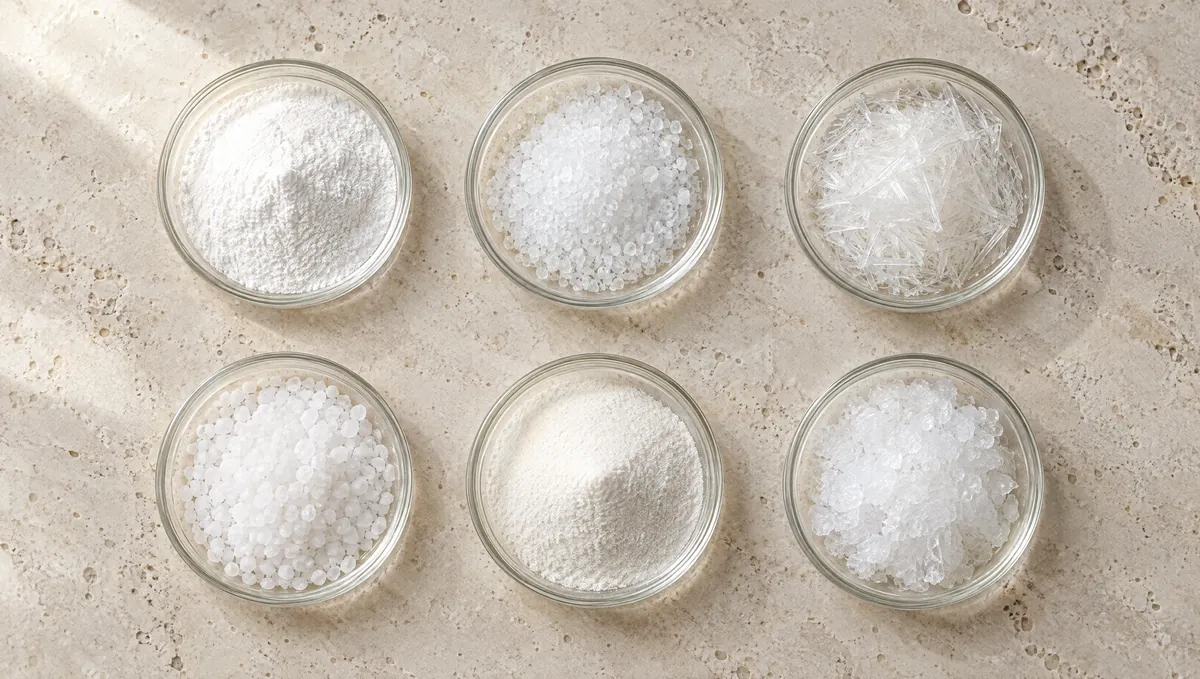
Meet the osmolyte stack
The six ingredients in HydroSure, the role each one plays in cells, and how strong the evidence is for each.
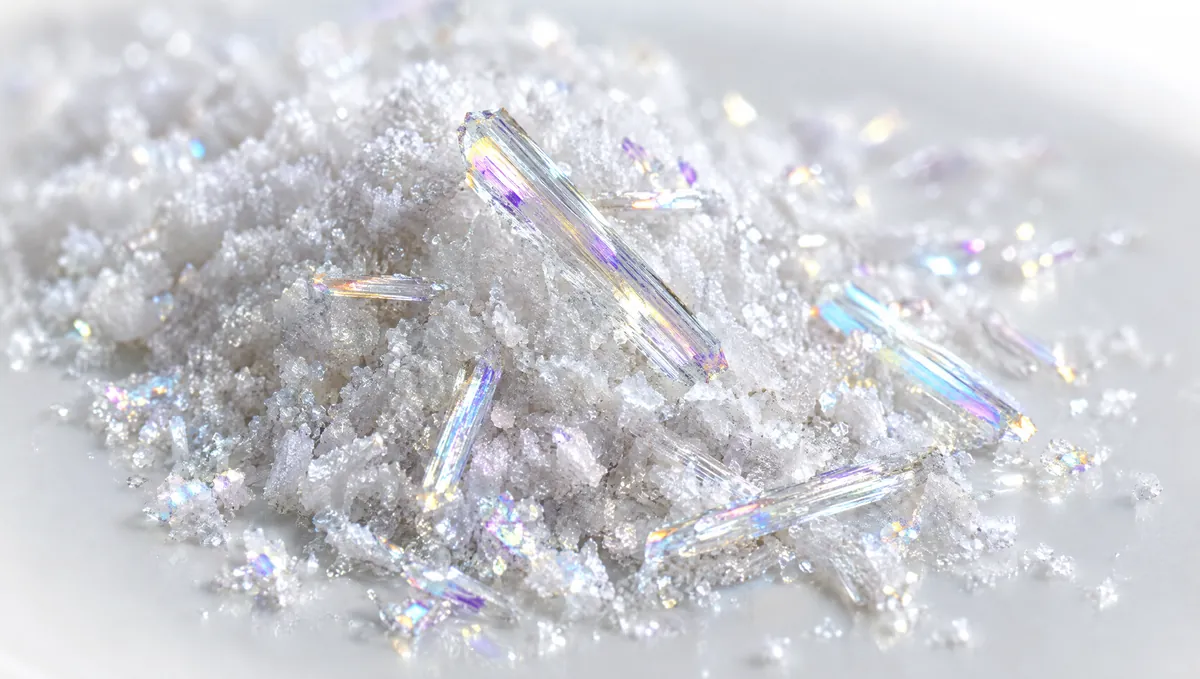
Creatine and cell hydration
Creatine is best known for strength. It is also an osmolyte, and studies have measured what it does to the water in your body.
Why HydroSure is not an electrolyte formula
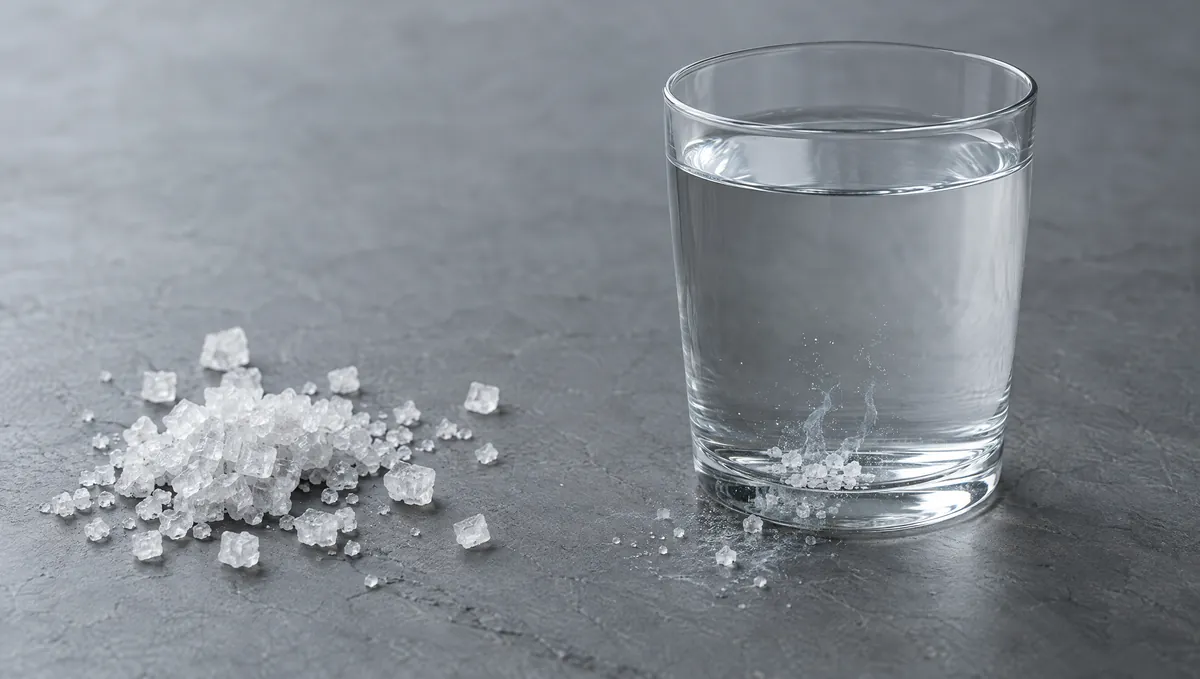
Extra sodium matters most during heavy, prolonged sweating, and cells also manage their water with small molecules called osmolytes.

Cellular hydration and longevity
How your cells hold water, and what studies of hydration and aging can and can't show.